
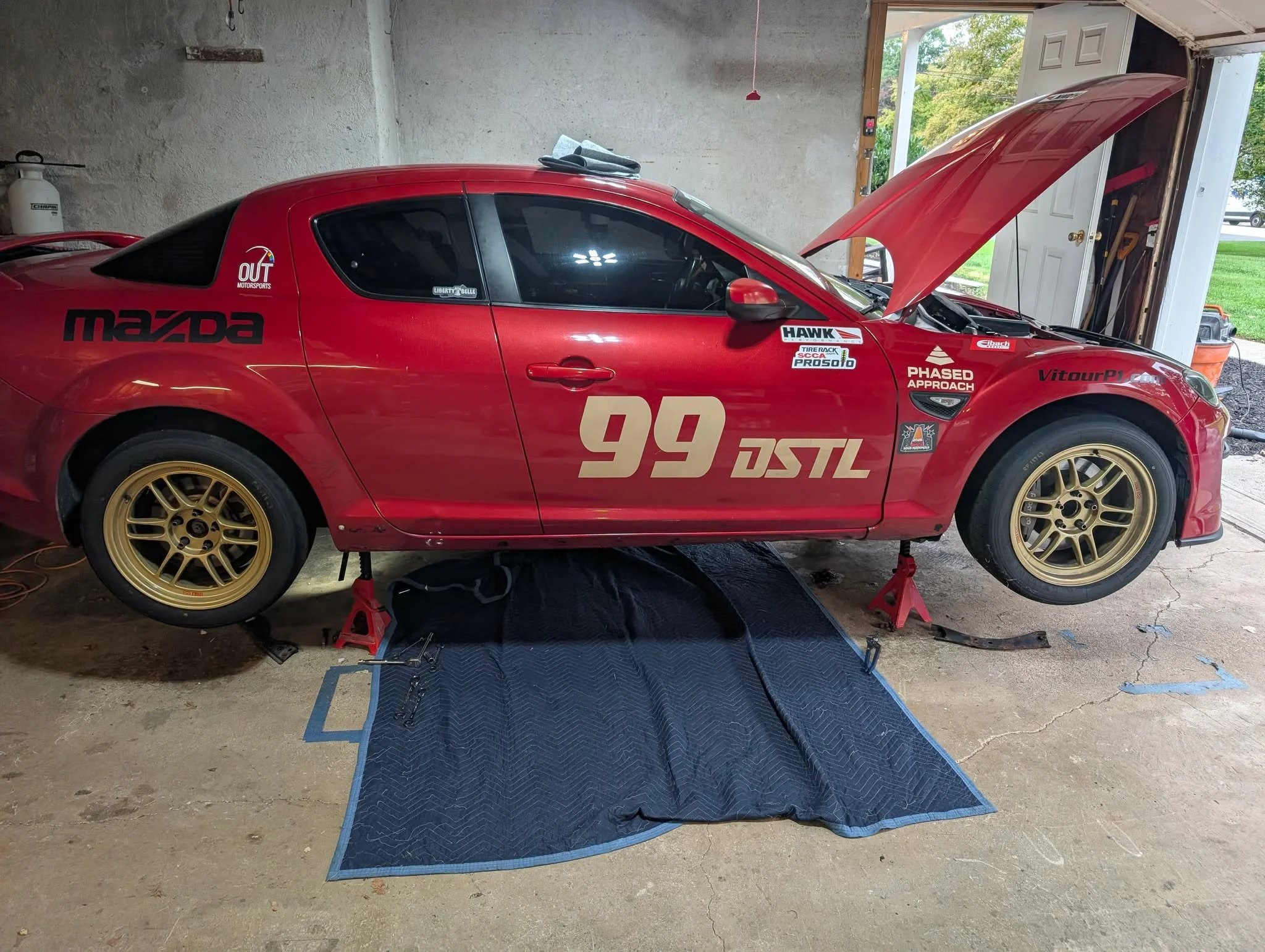
Read the Rulebook: The Cheapest Performance Upgrade You Can Make This Offseason
The cheapest performance upgrade this offseason might be hiding in your rulebook. Learn how to uncover overlooked allowances, identify opportunities to make your car faster, and prioritize the modifications that deliver the most performance for the least time and money.
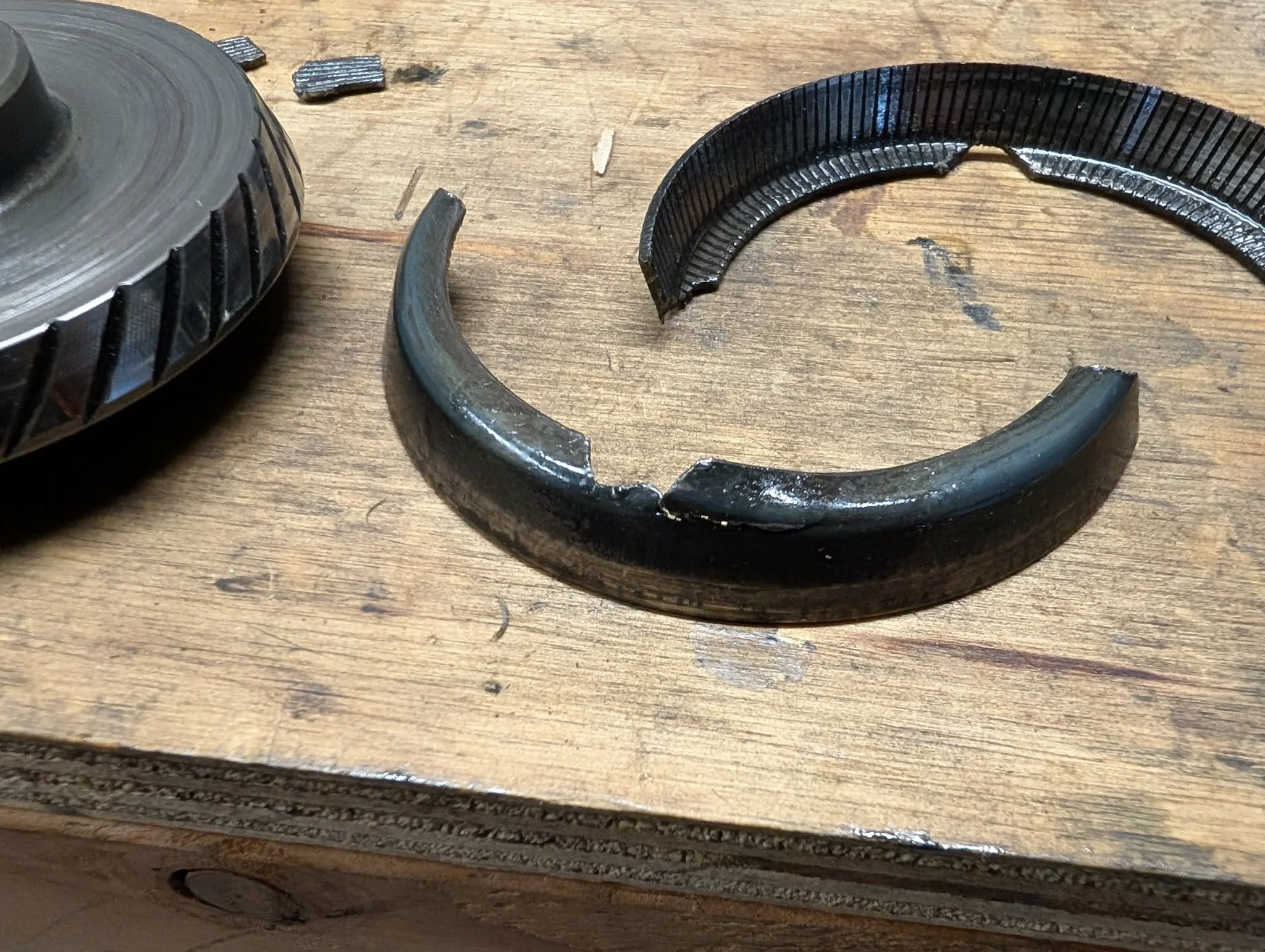
No, your NC, ND, or RX8 does not have a Torsen. (And a bit of Mazda diff history)
Your NC doesn't have a Torsen. Neither does your ND, your RX8, or most of the late NBs. What they have is the Tochigi Fuji Super LSD, a cone clutch unit that got called a Torsen often enough that people quit questioning it and started making setup decisions around it. Worse, most of them are dead. The vast majority we've opened up were totally failed, with bits of clutch loose in the case and no symptom beyond an inside rear tire lighting up on exit. Here's every diff Mazda actually used, which cars got what, all the gear ratios by market, and why a Torsen still isn't the end of the conversation once you're chasing balance.
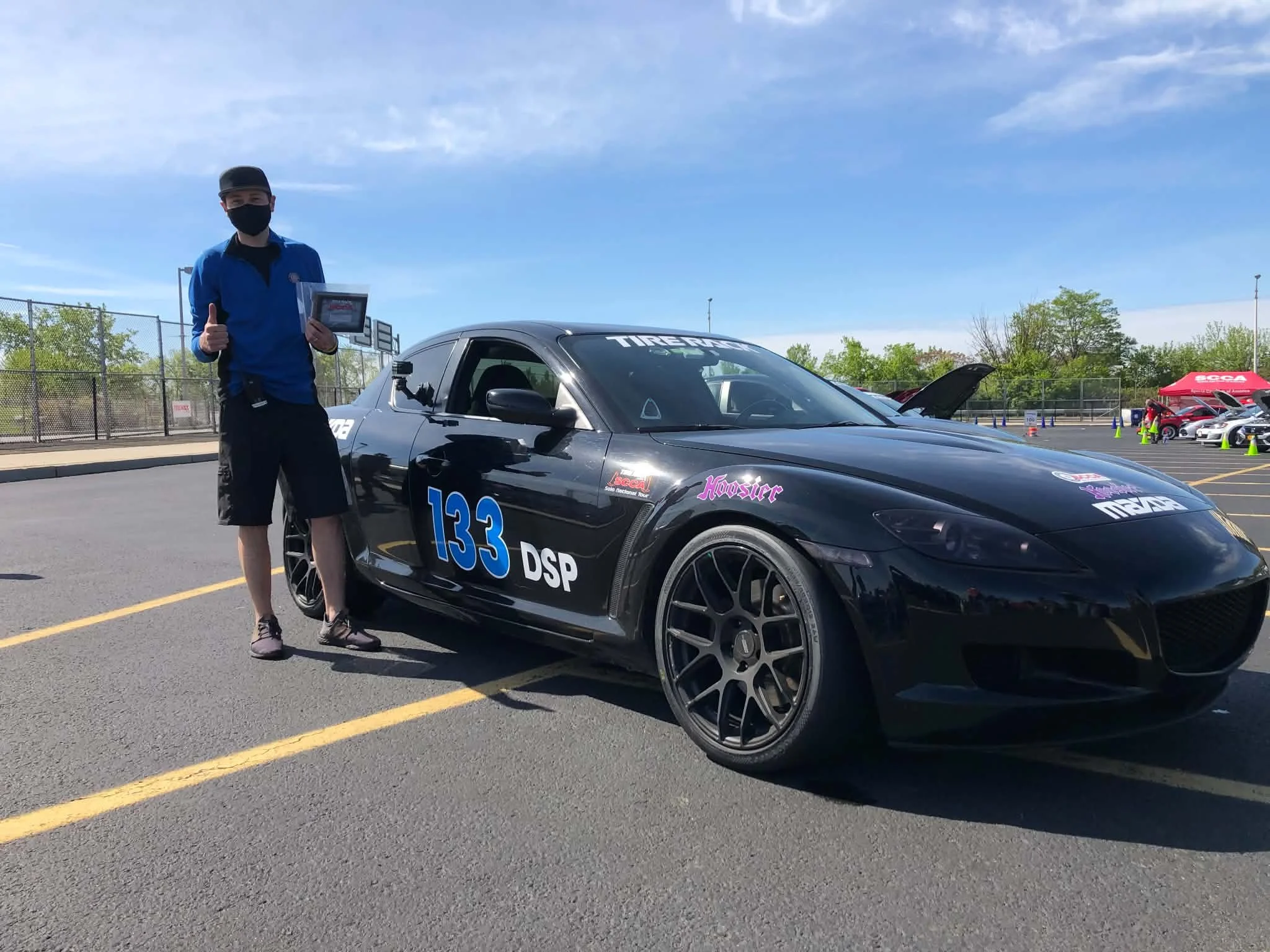
Q & A: If the Car Feels Fine, How Do I Know I'm Leaving Something on the Table?
Mark Shrivastava asked a question we hear constantly: if the car feels fine and does nothing wrong, is trial and error really all that's left? Our answer: there's no such thing as a car that does nothing wrong, that just means you haven't been a harsh enough critic yet. We get into total grip, camber curves, the tradeoffs you might not even know you're making, and why fixing the car alongside fixing your own driving isn't an either/or.

Q & A: When Moving to a New Platform, Where Do You Start With Suspension Tuning?
Rad Tatis asked the question we hear more than almost any other: on a new platform, do you start with shocks, bars, alignment, or tire pressure? Short answer — none of them yet. Step one is pretending nobody's ever owned this car before, then working a fixed order of operations: rulebook, motion ratios, differential, spring rates, bars, dampers, then alignment and tire pressure, finished off with a real test-day protocol. Here's the sequence we actually use, and why the order matters as much as the numbers.

Q & A: Street Class Gas Pressure & Valving Changes
Can you crank up gas pressure to make up for soft Street class springs? Sort of, but not the way you'd think. Gas force is preload, not rate, and it adds exactly zero roll stiffness. What it actually does is move where you sit in the travel, which drags bump stops, valving, and sway bars into one interconnected mess. Here's how I'd approach damper setup for Street, and why it's a harder problem than ST.
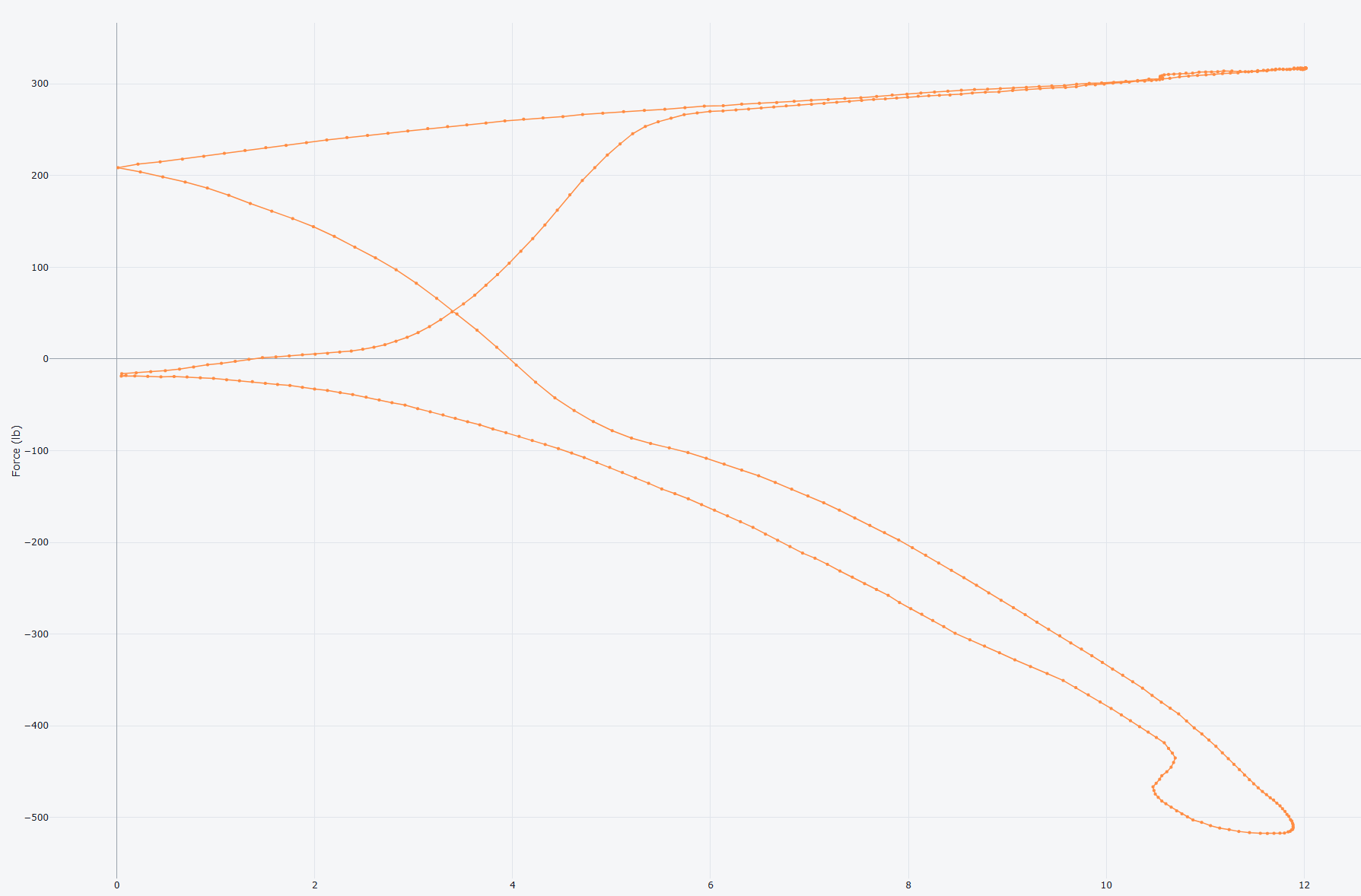
What Makes a Good Damper (vs. What People Think Makes a Good Damper)
Most people can tell you what makes a damper "feel" good. Almost none of them can tell you what actually makes it perform well — and the two lists barely overlap. Adjuster count, how dramatic a click feels, even ride quality itself: these are the things buyers use to judge a shock, and they're mostly the wrong metrics. The valving is the thing nobody markets and everybody underrates. Here's the real hierarchy of what separates a good damper from a great one — and where your money actually stops mattering.
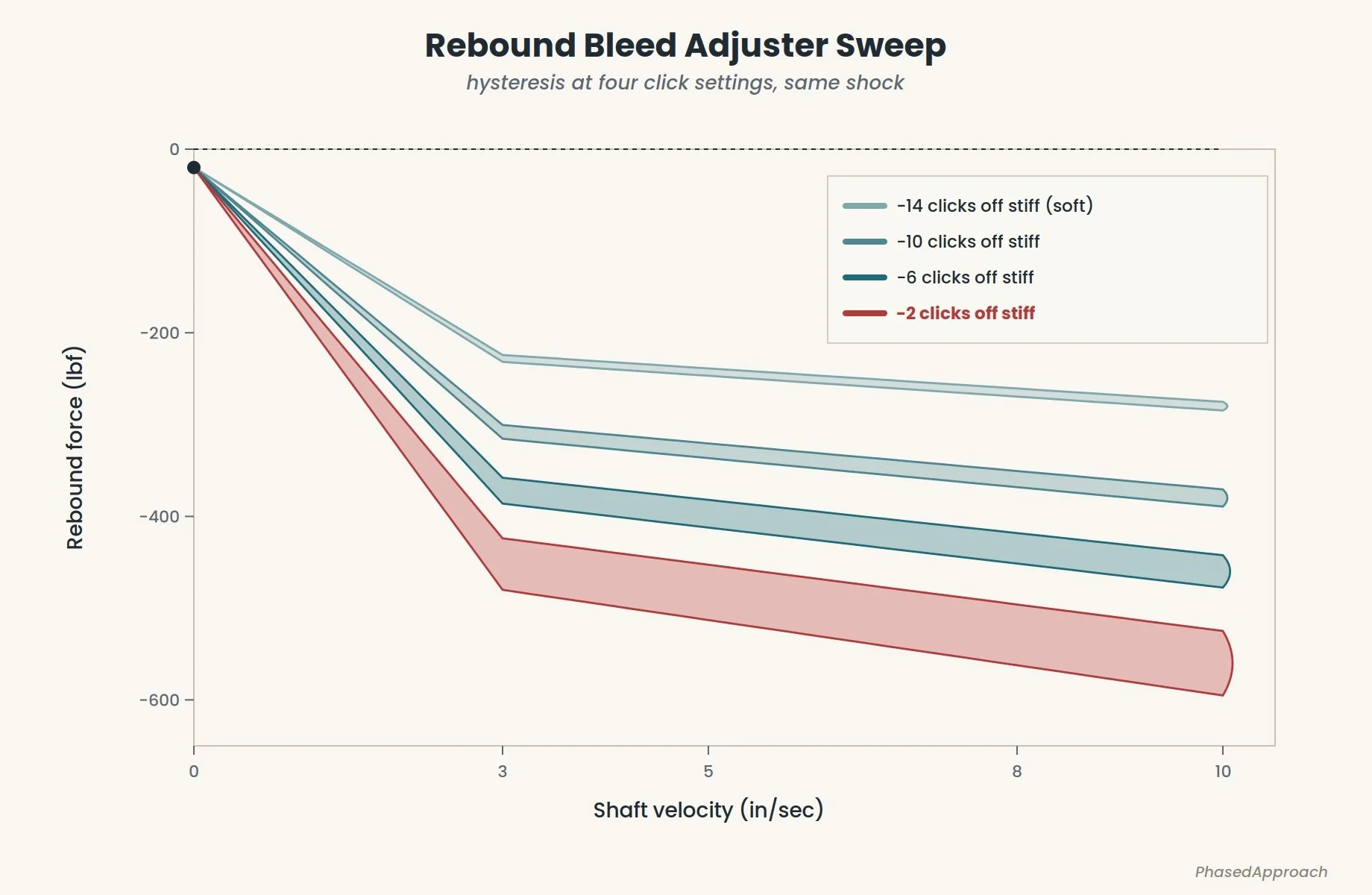
How To Read A Shock Dyno Sheet - A Primer
Reading a real shock dyno sheet — not the single averaged line most vendors hand you, but the full F/V and F/D traces that actually show what the damper's doing. How to spot the knee, read curve shape against what the car needs, and tell a tight hysteresis loop from a sloppy one across the full adjustment range. Illustrative curves, not a treatise — just the gotchas we'd check before trusting a sheet.
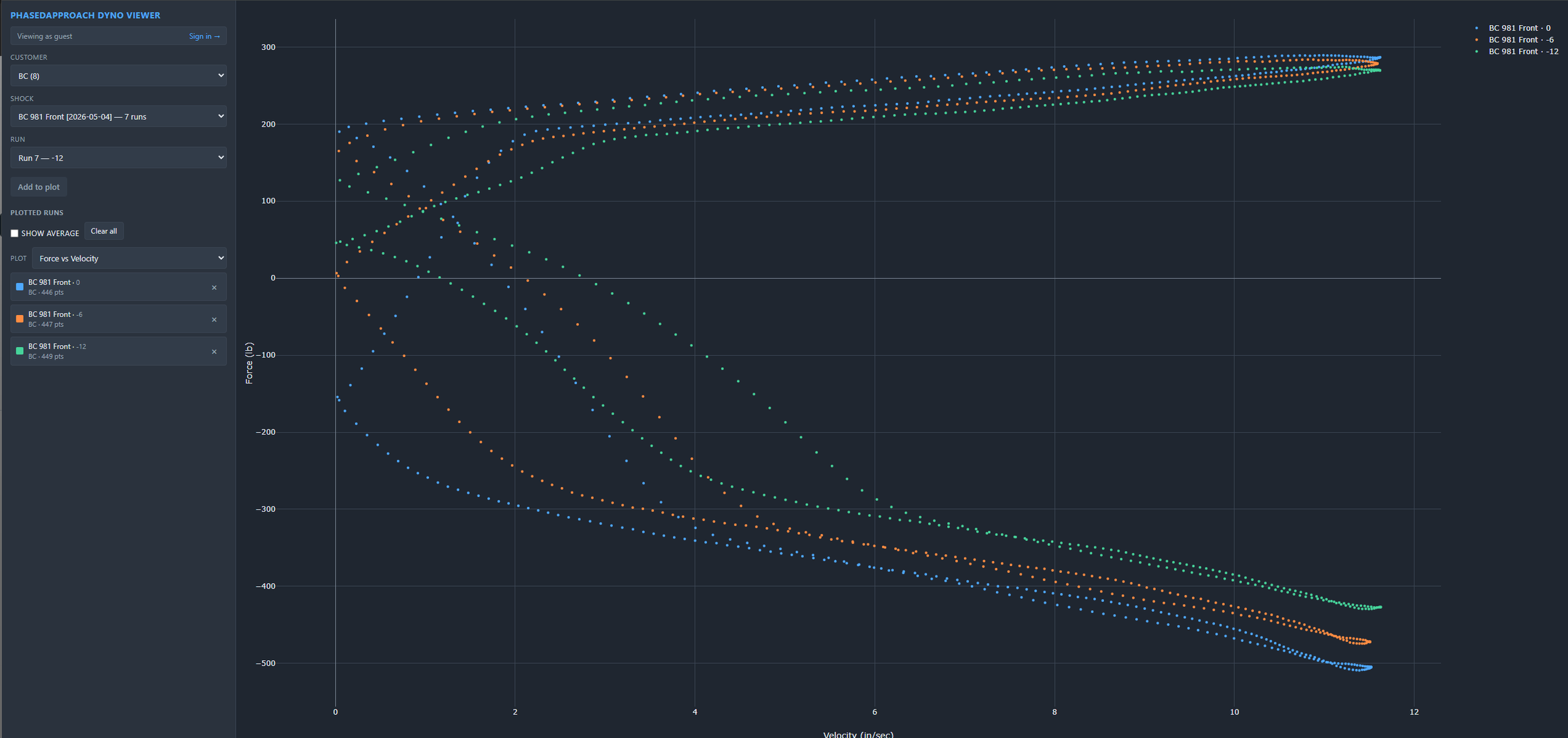
How to Compare Clicks in the PhasedApproach Dyno Viewer
Lining up every click of a shock adjuster on one graph is one of the most useful things the Dyno Viewer can do. A short walkthrough: select a shock, stack the runs, and read the spread in Force vs. Velocity to see how evenly the clicks are actually spaced — and where in the stroke each one is doing its work.
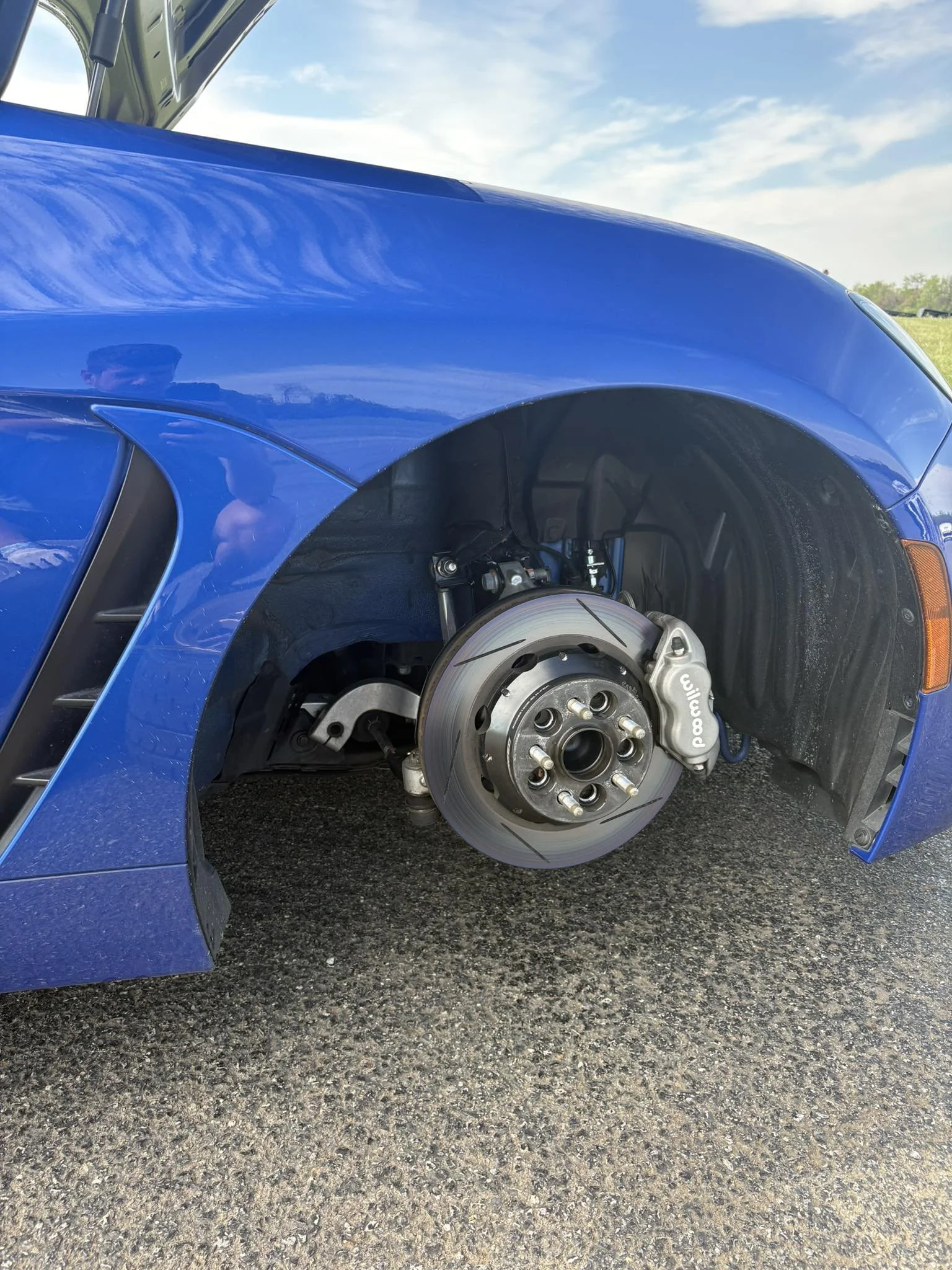
SCCA Street Touring Brakes - A Primer (With Useful Info For Everyone Else)
SCCA Street Touring's brake rules look like a green light for a big brake kit, but for autocross the smartest move is usually the opposite direction: build the lightest legal brake you can, not the biggest. Thermal capacity is overkill for a 60-second run, while every gram of unsprung rotating mass costs you in turn-in, ride, and acceleration. This primer walks through what the rules actually constrain (piston count, not piston area), where most off-the-shelf kits go wrong, and how to roll your own caliper-and-rotor package that matches OE bias, keeps your favorite pad, and pockets real weight off the front axle.
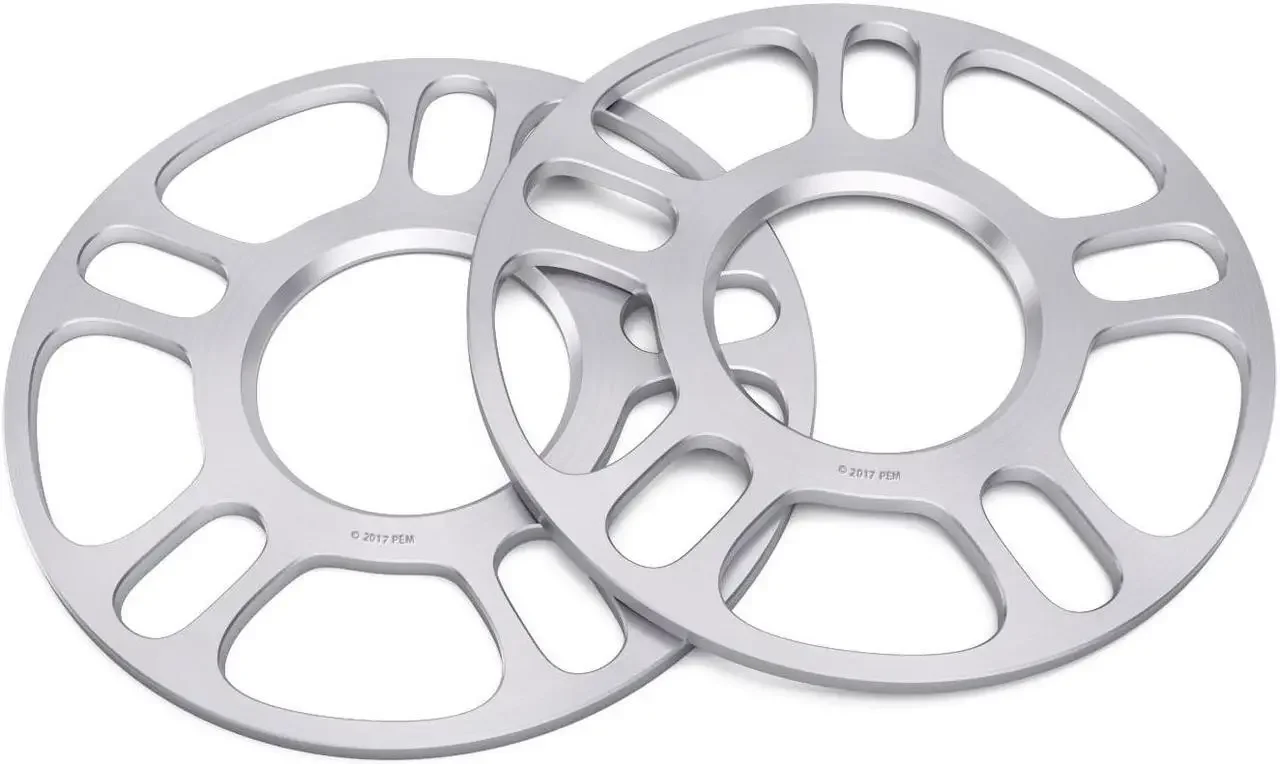
Wheel Spacers as Free Grip: The Track Width Math
Most people see wheel spacers as a fitment fix or a stance item. They're actually a nearly free, bolt-on grip increase — and the track-width math shows why.
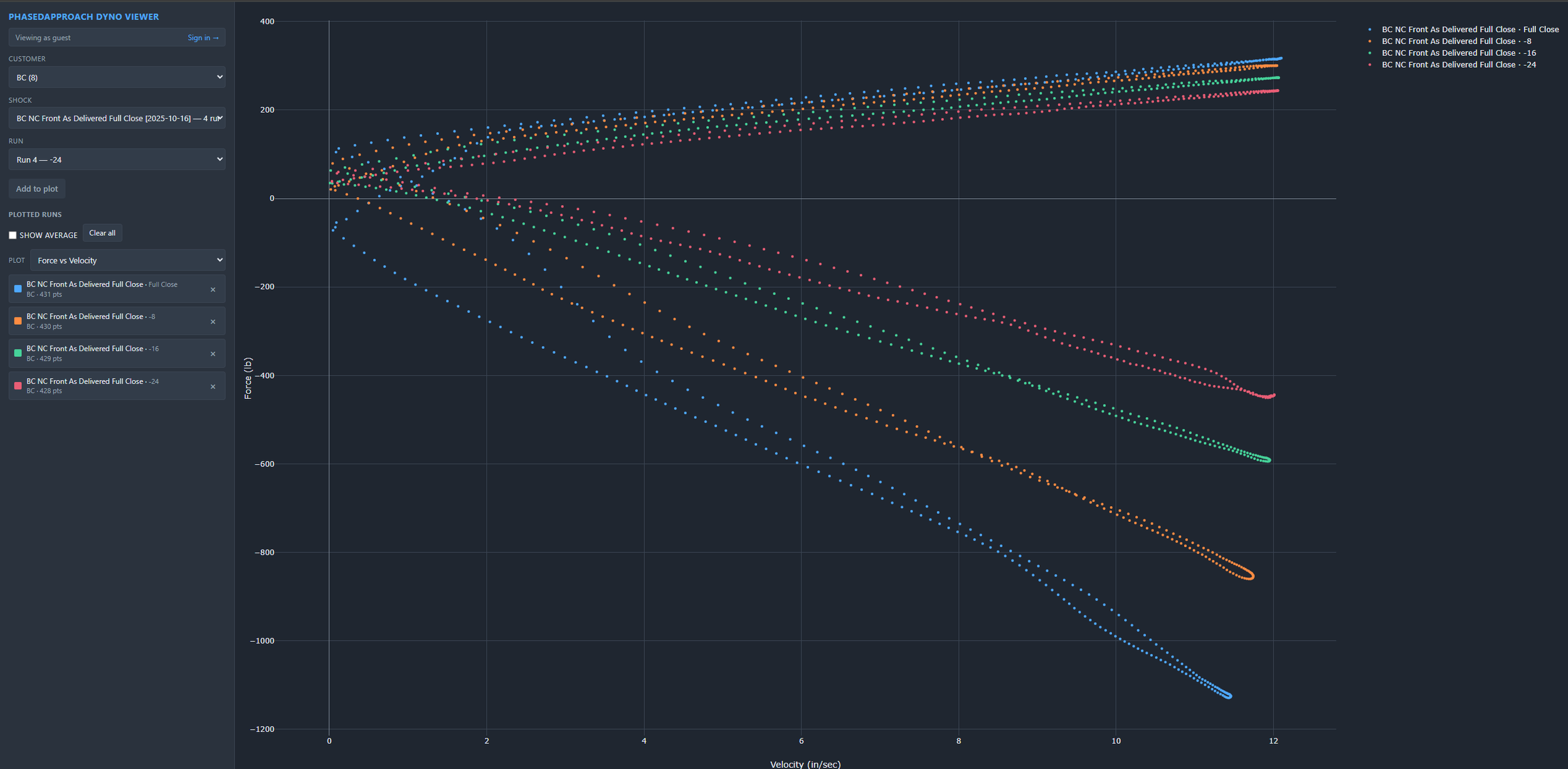
New: Full Dyno Data for Every PhasedApproach Customer
Most builders hand you a single PVP printout. We give you the whole trace. The new Dyno Viewer puts every customer's complete, point-by-point dyno runs in the browser — hysteresis and all — ready to view any time.
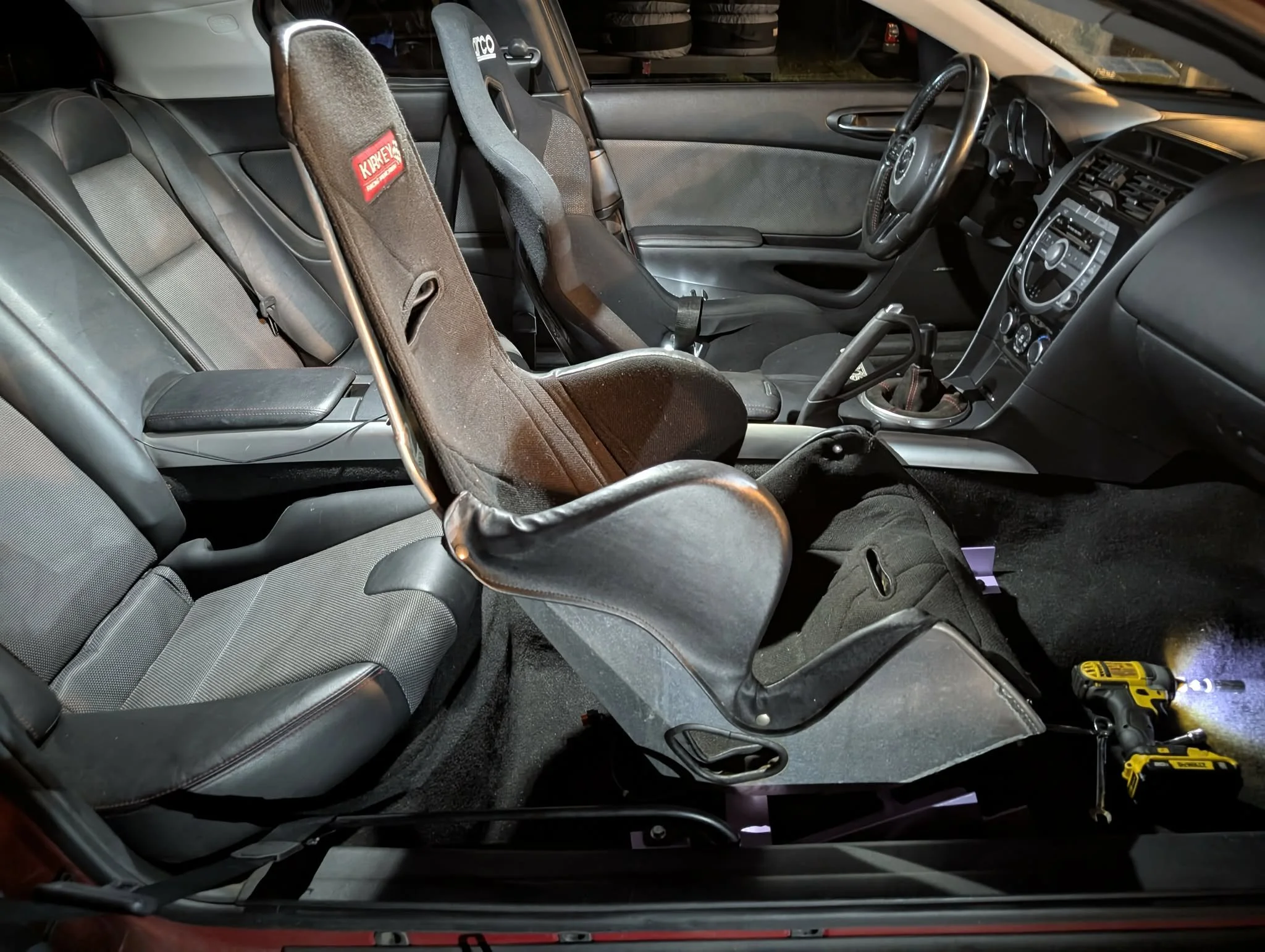
10 Ways To Take Advantage Of The Street Touring Rules You Haven’t Thought About
Everyone treats Street Touring like a parts-catalog class. It isn't. Ten off-season ideas for the competitor willing to actually read the rules.